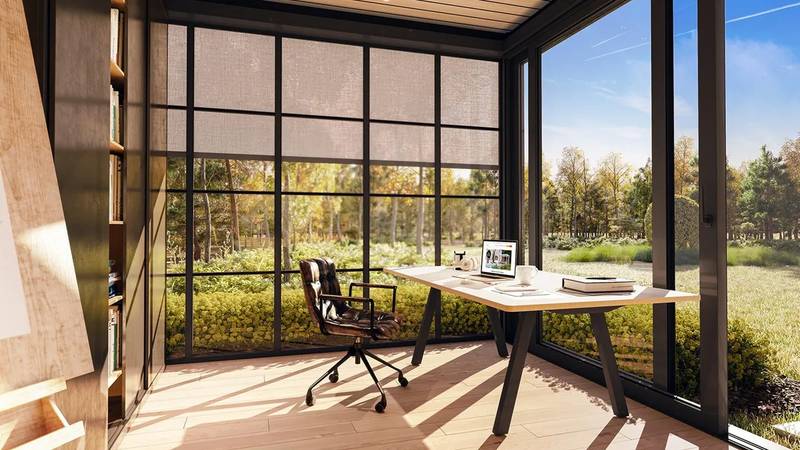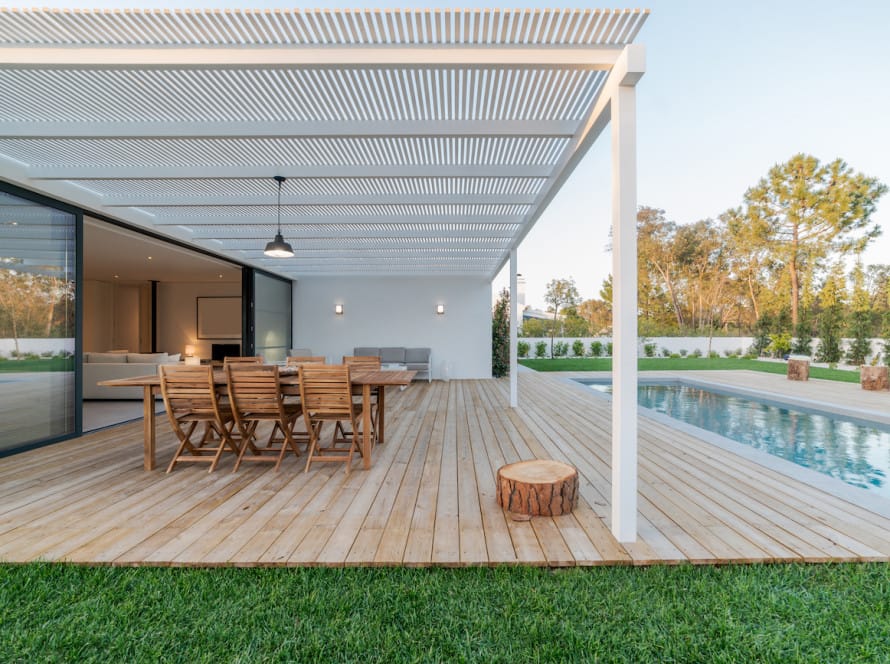


New Zealand’s outdoor living spaces are treasured extensions of our homes, but they face some of the harshest conditions in the world. From Wellington’s relentless winds to Auckland’s humidity and Tauranga’s salt-laden coastal air, your pergola needs to withstand it all. Choosing the right materials isn’t just about aesthetics — it’s about investing in a structure that will stand firm for decades with minimal maintenance. Let’s explore the best pergola materials for Kiwi conditions and help you make an informed decision.
Popular pergola materials in New Zealand
Pressure-treated timber
Timber pergolas offer classic warmth and natural beauty that many homeowners love. Pressure-treated pine, adequately maintained, can provide years of service. The treatment process forces preservatives deep into the wood, protecting against rot and insect damage. However, timber requires regular maintenance, including staining or sealing every 2-3 years to maintain protection and appearance. In coastal areas, this maintenance schedule often intensifies due to salt exposure, accelerating weathering.
Aluminium
Aluminium has emerged as a premium choice for Modern Pergolas. This lightweight metal offers exceptional corrosion resistance, making it ideal for coastal properties. Unlike timber, aluminium won’t warp, crack, or split over time. It requires virtually no maintenance beyond occasional washing and comes powder-coated in various colours that won’t fade or peel. The material’s strength-to-weight ratio allows for sleek, contemporary designs with clean lines.
Steel
Steel pergolas deliver maximum structural strength and can span larger distances without support posts. Hot-dipped galvanised or powder-coated steel resists rust effectively, although not as comprehensively as aluminium in marine environments. Steel works particularly well for industrial-style designs or when supporting heavy loads, such as glazed roofing. However, any scratches or chips in the protective coating require prompt attention to prevent rust from forming.
Composite materials
Composite decking materials have made their way into pergola construction, combining wood fibres with recycled plastics. These materials resist rot, insects, and moisture while offering a wood-like appearance. Composites require minimal maintenance and won’t splinter, but they can be more expensive than timber and may fade over time despite UV protection. They’re an excellent middle ground between natural timber aesthetics and low-maintenance performance.
Vinyl options
Vinyl pergolas offer another low-maintenance alternative, though they’re less common in New Zealand. These PVC structures resist moisture and insects completely and never need painting. However, vinyl can become brittle in cold temperatures and may not offer the necessary structural strength for larger designs or harsh wind conditions typical of many Kiwi locations.
Comparing durability and maintenance
When evaluating materials, consider how they handle New Zealand’s specific challenges. Timber naturally absorbs moisture, leading to expansion, contraction, and eventual rot without proper maintenance. It’s also susceptible to borers and other insects, particularly in warmer regions.
Aluminium excels in corrosion resistance, especially critical within 1-2 kilometres of the coast, where salt spray accelerates the deterioration of other materials. It won’t rust, rot, or attract pests. UV resistance is built into powder-coated finishes, preventing the colour fade that plagues painted timber.
Steel offers superior strength but requires meticulous coating maintenance in coastal areas. Composite materials provide good all-round performance but may require replacement of individual components over time. The cleaning requirements are similar across most materials—a simple wash with mild detergent and water annually keeps everything looking fresh and clean.
Longevity varies significantly: properly maintained timber lasts 15-20 years, steel and aluminium can exceed 30-40 years, and composites typically last 20-25 years before showing significant wear.
Why aluminium pergolas are a wise choice in Tauranga
Tauranga’s coastal climate presents unique challenges that make aluminium particularly advantageous. The combination of high humidity, salt air, and intense UV exposure rapidly degrades many materials. Aluminium’s inherent corrosion resistance means your pergola maintains its structural integrity and appearance without the constant battle against rust and rot.
The lightweight nature of aluminium allows for innovative designs with thinner profiles and longer spans, creating that modern, minimalist aesthetic popular in contemporary Kiwi architecture. Installation is typically faster than timber, and the material’s stability means no seasonal adjustments or post-installation warping issues.
For Bay of Plenty homeowners seeking sleek, modern outdoor spaces that complement ocean views without blocking them, aluminium’s slim framework maximises sightlines while providing adequate shade and weather protection.
Sustainability and aesthetic considerations
Environmental consciousness matters to many New Zealanders. Aluminium is infinitely recyclable without quality loss, making it an eco-friendly long-term choice. Many manufacturers now use recycled aluminium content in their products. Timber from sustainably managed forests is certified by Forest Stewardship Council (FSC) or Programme for the Endorsement of Forest Certification (PEFC), ensuring responsible forestry practices. Composite materials often incorporate recycled plastics, diverting waste from landfills.
Aesthetic customisation has never been easier. Powder-coated aluminium comes in extensive colour ranges, from classic blacks and whites to bold contemporary hues or natural timber-look finishes. Wood stains offer endless possibilities for timber pergolas, while composites typically come in various earth tones mimicking different wood species.
The key is to match your material choice to your home’s architectural style, existing outdoor elements, and personal maintenance preferences, while ensuring durability in your specific microclimate.
Make the right choice for your outdoor living space
Selecting pergola materials requires balancing durability, maintenance, aesthetics, and budget. For most New Zealand conditions — mainly coastal areas like Tauranga—aluminium offers the optimal combination of longevity, low maintenance, and modern appeal. However, timber’s warmth suits heritage properties beautifully, while steel delivers unmatched strength for large structures.
Want a pergola that lasts in New Zealand’s climate? Pergola Pro specialises in durable, low-maintenance designs built for New Zealand conditions. Our team understands the unique challenges of coastal weather and can guide you toward the perfect material and design for your property.
Contact us today for a consultation and discover how we can transform your outdoor living space with a pergola that stands the test of time.
📞 Call +64 27 392 8106 or 📧 email info@pergolapro.co.nz for more details